
Блог сайта


Correcting tooth and jaw misalignment through orthodontics profoundly influences facial balance and symmetry.
Irregular dental alignment or malpositioned jaws can compromise the natural aesthetics and equilibrium of the facial structure.
Orthodontists utilize braces, transparent aligners, or specialized devices to gradually shift teeth into ideal alignment, enhancing facial symmetry and overall beauty.
The most striking transformation is often observed in the side profile.
An overjet or Class II.
Therapeutic realignment of the jaws and teeth produces a refined, harmonious profile that appears effortlessly proportioned.
For severe skeletal malocclusions, a coordinated approach of orthodontics and jaw surgery delivers superior, long-term aesthetic and functional results.
Beyond aesthetics, proper alignment improves function.
Optimizing occlusion improves mastication and speech while minimizing stress on the temporomandibular joint.
As chewing mechanics normalize, facial musculature relaxes, reducing chronic tension and creating a softer, more natural look.
Young patients respond exceptionally well to orthodontic care due to their developing skeletal systems and greater bone plasticity.
Adult patients, too, can achieve dramatic facial improvements through modern orthodontic techniques.
Modern orthodontic options like clear aligners and lingual braces make treatment more discreet and accessible for adults seeking both form and function.
Orthodontic corrections typically yield lasting, 表参道 歯並び矯正 stable changes to facial structure.
With consistent retainer use, the new dental and skeletal positioning remains firmly maintained.
Many patients report increased self confidence and improved quality of life after treatment, not just because their smile looks better, but because their entire face appears more harmonious.
In summary, orthodontics goes beyond straightening teeth.
By restructuring the dental and skeletal base, orthodontics elevates facial harmony and attractiveness.
From subtle tweaks to full-scale correction, orthodontic intervention delivers transformative, enduring results.
Accelerated orthodontic techniques offer a faster and more comfortable way to achieve a beautifully aligned bite compared to standard metal or plastic correction systems. These methods are built to compress months or years of correction into a fraction of the duration, often cutting up to 50% of the timeline off the typical orthodontic journey. A standout feature is the ability to enhance tooth mobility without compromising safety or long-term results. This is achieved through a combination of gentle biophysical stimulation and advanced technologies like micro-osteoperforations, low-level laser therapy, or vibration devices that stimulate alveolar bone turnover.
Those seeking quicker orthodontic outcomes often experience reduced soreness and irritation. Since treatment is shorter, there is less time spent adjusting to wearing appliances, and appointments are streamlined and infrequent. This streamlined approach is especially valuable for adults with demanding schedules and childcare responsibilities who want to minimize disruption to their daily lives. Moreover, visible progress enhances personal assurance sooner, which can have far-reaching benefits for social and career relationships.
A crucial advantage is improved oral hygiene. During accelerated correction, there is diminished risk of debris trapping, reducing the risk of gum disease and tooth decay. Most modern acceleration protocols also work seamlessly alongside invisible trays, giving patients a near-invisible solution that achieves rapid transformation.
These methods are inappropriate for complex malocclusions, and a personalized consultation with a licensed specialist is critical. For a large portion of patients, modern acceleration delivers a a smart, efficient, and 表参道 歯科矯正 gentle pathway to achieving a stunning, confident grin in a fraction of the duration.
Being an active partner in your child’s dental transformation is one of the most meaningful ways parents can contribute to their long-term health, self-esteem, and overall well-being. This process goes beyond aesthetics—it’s about optimizing bite function, preventing cavities, gum disease, and wear, and allowing them to smile with pride.
Your consistent presence can make a decisive difference in how smoothly, comfortably, and successfully the treatment unfolds. Start by selecting the right orthodontist—take time to ask your pediatric dentist for referrals. A trustworthy professional will clearly explain the treatment plan, address concerns without rush, and make your child feel safe and welcomed.
Bring your child to the orientation meeting and come prepared with questions about the timeline for results, the pros and cons of each device, and what daily care routines will be required. Grasping the full scope of the process empowers you to reduce anxiety and uncertainty.
Consistent routines are critical from day one. Help your child maintain impeccable oral hygiene. Braces can trap food and plaque, so brushing and flossing must be thorough and daily. Brush with them until it sticks. Have extra toothbrushes and floss on hand when discomfort strikes.
Food choices directly impact appliance integrity. Avoid hard, sticky, or chewy foods. Turn dietary rules into a shared family goal. Cook soft, nutritious options and Avoid sugary beverages. Soda, sports drinks, and 表参道 歯列矯正 sweetened teas can erode enamel, especially during treatment.
Regular check-ups are non-negotiable. Schedule visits on time. Notify the office immediately. Skipping adjustments can extend treatment time.
Mental well-being fuels compliance. They could be frustrated by discomfort. Listen without judgment. Normalize the journey. Acknowledge small wins—whether it’s the first adjustment—positive reinforcement build resilience.
Stay calm through the ups and downs. Results don’t happen overnight. Your steady, reassuring presence tells your child they’re not alone. By showing up every day you’re not just helping them get a more confident grin—you’re teaching them personal accountability, the importance of routine, and the power of perseverance.
Crossbite is a common dental issue where some of the upper teeth sit inside the lower teeth when the mouth is at rest. This misalignment can occur in the incisor region, known as an anterior crossbite, or posteriorly, called a back tooth crossbite. Left untreated, crossbite can lead to premature enamel erosion, TMJ dysfunction, difficulty chewing, and facial imbalance. Fortunately, contemporary treatment options offer effective and often non-surgical ways to correct crossbite regardless of patient age.
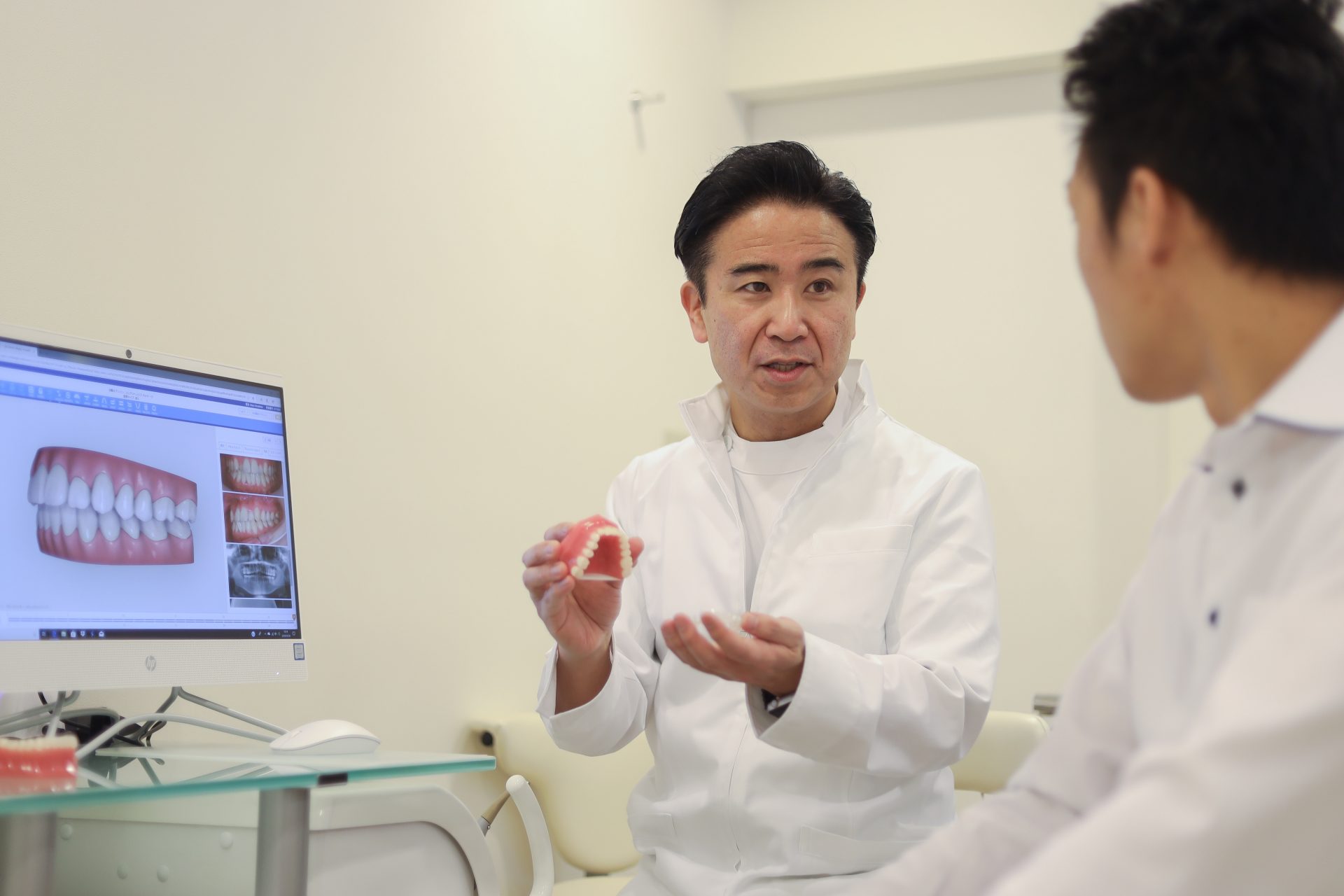
One of the primary treatments for crossbite is the use of orthodontic appliances. standard bracket systems apply steady pressure to align the dental arches. For cases involving a constricted maxilla, orthodontists often pair fixed appliances with a palatal expansion device. A palatal expander is a custom appliance that is bonded to the posterior teeth and slowly increases palatal width. This is particularly successful in growing patients, whose jaws are in active development, but modern expanders can also be used with positive outcomes in older individuals.
Removable transparent trays are another preferred alternative for correcting light to medium severity cases. These discreet, transparent aligners are changed every few weeks and incrementally reposition the dentition. Aligners work well for patients who value aesthetic discretion and are committed to consistent wear. However, they may not be suitable for severe cases or when major skeletal correction is required.
In specific clinical scenarios, 表参道 歯列矯正 especially when the crossbite is due to underlying jaw misalignment rather than just crowding or spacing, orthodontic treatment may be supplemented by maxillofacial intervention. This is most often recommended for complex adult patients, where the osseous structures must be surgically corrected to achieve functional and aesthetic balance. Surgery is sequenced with comprehensive orthodontic treatment to ensure optimal results.
Early intervention is key. Many orthodontists recommend that children have their comprehensive bite assessment before age 8, even if no obvious problems are visible. Detecting a crossbite at a young age allows for easier correction protocols and can avoid long-term complications. Even mature individuals can benefit from correction, as modern orthodontics offers a comprehensive suite of techniques tailored to personal preferences and daily routines.
The most appropriate intervention depends on factors like the extent of dental and skeletal involvement, the patient’s age, and overall oral health. A experienced clinician will evaluate the bite, utilize digital cone-beam CT scans, and select the optimal correction method. With regular monitoring and adjustments, most patients achieve a optimal bite with improved facial harmony.
Correcting a crossbite is not just about appearance—it improves chewing efficiency, reduces pressure on the TMJ, and avoids progressive deterioration to the dental structures. Whether through fixed appliances, palatal expanders, and clear aligners, modern orthodontic interventions make it possible to fix crossbite effectively with minimal disruption.
Dental crowding occurs when there is not enough space in the jaw for all the teeth to fit properly.
Teeth may shift out of alignment, clump together, or grow at odd angles.
Although it’s commonly seen as a beauty issue.
its implications are much deeper than vanity and can compromise your entire oral system.
A major 表参道 歯並び矯正 issue with misaligned teeth is the challenge of maintaining proper hygiene.
When teeth are tightly packed or overlapping, it becomes harder to brush and floss effectively.
Trapped food and bacterial buildup are common in confined spaces between teeth.
elevating the likelihood of cavities and periodontal issues.
Without intervention, these conditions can progress to severe damage, gum deterioration, and permanent tooth loss.
Misaligned teeth often lead to abnormal grinding patterns.
When teeth do not align properly, the biting forces are distributed unevenly across the mouth.
Uneven pressure accelerates enamel loss and heightens tooth sensitivity.
In some cases, the misalignment can put extra strain on the jaw joints and muscles, resulting in discomfort or temporomandibular joint disorders.
Gum tissue can gradually pull away due to constant pressure from misaligned teeth.
Persistent pressure from crooked teeth pushes gums backward, exposing root surfaces.
This exposes the roots of the teeth, making them more vulnerable to decay and increasing the risk of periodontal disease.
Gum recession is also difficult to reverse and may require specialized treatment.
Crowded teeth may interfere with articulation and mastication.
Improper tooth positioning hampers clear speech and slows down food breakdown.
Poor mastication from crowding may result in gastrointestinal discomfort and dietary deficiencies.
Identifying crowding early greatly improves treatment outcomes.
Treatment options like traditional brackets or removable aligners can restore proper spacing.
Intervening early in childhood often avoids extractions or surgery in adolescence or adulthood.
Even in adults, correcting crowding can improve not only oral health but also self confidence and quality of life.
flossing are crucial for control.
If your teeth seem cramped or you sense pressure in your jaw, seek professional advice.
Correcting crowding goes far beyond aesthetics.
The goal is long-term oral integrity and systemic health.

Selecting the right orthodontist is a crucial decision that can shape your dental well-being and self-confidence for years to come. Begin by evaluating your specific requirements—are you pursuing classic brackets, invisible braces, or pediatric orthodontics? Every specialist has the identical focus, so it’s essential to find one with specialized training in your preferred method.
Ask for suggestions from your family dentist, relatives, or people who’ve experienced orthodontic care. Digital feedback can be helpful, but focus on common patterns rather than outliers. Watch for comments regarding the clinic hygiene, staff attitude, and how clearly the orthodontist communicates treatment plans.
Verify the orthodontist’s qualifications. They must have earned a DDS or DMD degree and undertaken specialized orthodontic training. Board certification is a strong signal of commitment to standards. This information is typically easily accessible through their practice portal.
Schedule a consultation before committing. Observe the sterility, 表参道 歯並び矯正 efficiency, and whether the receptionists appear approachable and professional. A skilled orthodontist will patiently address your questions, show case studies from like treatments, and provide a detailed treatment plan with transparent pricing and duration.
Ask about financing and insurance compatibility. Orthodontic care is a major financial commitment, so verify the provider offers interest-free financing or partners with your provider. Don’t hesitate to shop around to find the best combination of cost, atmosphere, and care quality.
Trust your gut. You should feel relaxed asking questions and secure that your orthodontist genuinely cares to your outcomes. The ideal provider won’t just align your teeth—they’ll support you through every step with empathy and professional care.
Managing bruxism during orthodontic treatment can be challenging but is essential for ensuring the success of your dental correction and protecting your overall oral health. Bruxism, or teeth grinding often worsens under stress, and many patients undergoing orthodontic treatment experience increased tension due to discomfort, changes in bite, or anxiety about the process. This grinding can put extra pressure on braces, aligners, or other appliances, potentially slowing progress or causing damage.
The first step in managing bruxism is recognizing the signs. You may notice waking up with aching jaws, recurrent headaches, thinning enamel, 表参道 歯並び矯正 or unexplained tooth discomfort. If you suspect you are grinding your teeth, contact your provider without delay. They may recommend a prescription-grade dental guard, which acts as a protective barrier between your upper and lower teeth. Unlike over the counter guards, a professionally made night guard fits accurately without disrupting alignment forces.
In addition to using a guard, emotional regulation significantly impacts outcomes. Try incorporating calming rituals like yoga, guided imagery, or warm jaw massage into your habitual self-care. Reducing evening intake of coffee, tea, or wine can also help minimize nocturnal clenching. Some patients find relief with warm compresses applied to the jaw before bed to soothe overworked jaw joints.
It’s also important to be mindful of awake clenching patterns. Many people clench their jaw without realizing it, especially when concentrating or feeling anxious. Make a habit of setting daily reminders to release tension. If you notice your teeth are together or your jaw is tight, softly unclench and position your tongue lightly on the palate. This small adjustment can prevent cumulative damage.
Frequent appointments with your provider are essential. They can evaluate how bruxism is affecting your correction timeline to accommodate any changes caused by bruxism. If your braces are loosening, aligners are cracking, or retainers are deforming or your teeth aren’t moving as expected, your provider may suggest adjusted wire tension, new aligner sequences, or supplemental therapies.
Remember, teeth grinding affects many orthodontic patients and doesn’t mean your orthodontic treatment will fail. With the proper devices and mindful habits, you can protect your teeth and appliances while continuing to achieve a healthy, aligned smile. Be consistent, ask questions, and practice patience throughout your journey.

What Makes Expired Domains a Smart Move
When a domain expires, its previous SEO power doesn’t always disappear.
Why a Wikipedia Backlink Changes Everything
A backlink from a Wikipedia article acts as a trust badge—even when it’s nofollow.
If an expired domain still has a working Wikipedia backlink, that domain becomes significantly more valuable.
Tactics to Leverage These Rare Domains
1. Redirect for Instant Trust Transfer
Redirecting a Wikipedia-linked expired domain to your main site can result in instant trust signals.
Create a Standalone SEO Asset
Thanks to the existing backlinks, especially the Wikipedia link, it can gain visibility faster.
Monetize the Asset Directly
List the domain on marketplaces like Flippa, Dan. If you are you looking for get backlink from wikipedia more information on get backlink from wikipedia take a look at our own website. com, or GoDaddy to turn it into a quick win.
4. Use as a Private Blog Network Node
It can lend strong authority to other websites through carefully placed outbound links.
Potential Risks & Checks
Double-check the actual Wikipedia article for a live citation.Avoid domains previously used for spam or unethical SEO.Contextual relevance makes the strategy more effective.Should You Go After These Domains?
Wikipedia-linked expired domains are strategically valuable, they’re also relatively scarce.
For those serious about modern SEO, this is a hidden gem that blends trust, authority, and opportunity in one.
Compliance is a cornerstone of successful orthodontic treatment
Modern orthodontic tools rely on precise, sustained force to realign dental structures
their effectiveness is entirely dependent on the patient’s dedication to the prescribed regimen
No amount of advanced equipment or clinical skill can override poor patient compliance
One of the most crucial compliance areas involves wearing elastics exactly as directed
These tiny but powerful bands generate specific forces to realign jaws and 表参道 歯列矯正 correct misaligned bites
Skipping elastic use causes teeth to revert, lengthening treatment duration significantly
Aligners must be in place for nearly the entire day to maintain corrective pressure
Frequent removal during meals, social gatherings, or out of habit leads to stalled progress
Maintaining pristine dental care is fundamental to successful treatment
Braces create crevices where plaque and food debris easily accumulate
Without thorough brushing and daily flossing, patients face high risks of cavities, gingivitis, and permanent enamel discoloration
Such complications often force treatment interruptions until dental health is restored
Attending every scheduled appointment is a vital form of patient cooperation
Unmonitored progress reduces accuracy and increases treatment duration
Dietary restrictions prevent broken brackets, bent wires, and cracked aligners
A single broken brace can delay progress by weeks
The degree of compliance directly influences treatment speed, comfort, and final results
Proactive participation correlates strongly with positive orthodontic experiences
Inconsistent habits may require additional procedures, retreatment, or even surgical intervention
Success requires mutual trust, clear communication, and shared responsibility
The orthodontist supplies the tools, expertise, and plan—but the patient holds the key to success

Consistency transforms orthodontic effort into a lifetime of confidence
Every hour worn, every brush, every visit compounds into irreplaceable value

Correcting a deep overbite involves adjusting the vertical positioning between the front upper and lower incisors, where the maxillary incisors overlap too much the mandibular incisors during occlusion. This dental anomaly can lead to excessive attrition, gingival trauma, TMJ dysfunction, and progressive facial disharmony over time. The core aim of intervention is to restore optimal dental alignment that improves chewing function, reduces discomfort, and enhances smile symmetry.
A widely used approach is orthodontic therapy using conventional appliance systems or invisible aligners. These appliances gradually reposition the dentition to diminish the overbite. In cases of anteriorly angled upper teeth, they can be distalized and de-rotated using controlled mechanics. In other scenarios, the mandibular anterior teeth may require intrusion to lower the bite depth, often achieved with specialized rectangular wires that prevent unwanted tooth movement without compromising adjacent dentition.
Among pediatric and adolescent patients, orthopedic devices demonstrate high efficacy. Such devices the Herbst appliance promote mandibular positioning to optimize jaw alignment. These therapies are optimal during the pubertal growth spurt when skeletal plasticity is highest.
Among fully grown adults with severe skeletal discrepancies, braces or aligners only may be insufficient. In such cases, jaw repositioning surgery is often recommended, typically coordinated with comprehensive orthodontic therapy to stabilize the new skeletal relationship after maxillary and.
Clinical results are consistently favorable when the correct intervention is selected based on individual anatomy. Most individuals report less enamel loss, better food breakdown, lower risk of disc displacement, and balanced lower third of face. Gum tissue integrity often recovers noticeably as mandibular teeth cease to traumatize the palatal gingival tissue. Treatment duration varies by severity, typically ranging from 18 to 24 months, though complex cases may require extended care.
Long-term stabilization is non-negotiable. After active therapy, patients must wear precision-fitted retention appliances to maintain tooth position. This specific malocclusion are notoriously likely to revert if retention is inadequate. Periodic evaluations are recommended to verify stability over decades.
In summary, treating a deep bite is a customized process requiring comprehensive analysis and strategic treatment planning. Using modern orthodontic advances and a strong patient-clinician alliance, permanent functional and 表参道 歯並び矯正 aesthetic improvement are possible in the vast majority of cases.