
Блог сайта

Tooth movement is an intricate physiological response that occurs when controlled mechanical forces is exerted on dental structures gradually. This principle forms the core mechanism behind dental correction like fixed appliances and removable trays.
The science behind it involves the coordinated relationship between dental structures, alveolar bone, and periodontal ligaments in the jaw.

Teeth are not directly fused to the jawbone. Instead, they are held in place by the periodontal ligament, a delicate tissue matrix that links the dentin to the bone wall. When force is applied—whether through brackets and wires—the periodontal ligament responds by remodeling. On the side of the tooth where pressure is applied, the bone undergoes resorption in a process called bone resorption. Specialized cells called osteoclasts break down mineralized matrix to make space for the tooth to move.
On the opposite side, where tension is created as the tooth shifts, new bone is formed. This is done by cells called osteoblasts, which synthesize mineralized matrix to restore structural integrity. This continuous cycle of breaking down and rebuilding bone allows teeth to gradually reposition themselves.
The rate of movement is scientifically regulated because excessive force risks root resorption or tissue necrosis. Orthodontists design treatment plans with precise forces that are enough to stimulate bone remodeling but excessive enough to endanger the periodontium. Typically, teeth move about roughly 3–4 mm per quarter though this can vary depending on age, overall health, and 表参道 歯並び矯正 individual biology.
Blood flow and cellular activity in the periodontal ligament play essential roles in this process. When force is applied, molecular cues are triggered that trigger the recruitment of osteoclasts and osteoblasts. These signals include signaling peptides and regulatory molecules that control mineral turnover, ensuring the movement is both effective and safe.
Additionally, the surrounding gum tissue restructures its fiber architecture to provide functional stability. This adaptation is why retainers are often worn after orthodontic treatment—to hold the teeth in place while the bone and gums complete their remodeling.
Understanding this science helps explain why orthodontic treatment requires months to years. It is far beyond superficial alignment—it is an intricate physiological transformation that demands careful planning and timing. The body’s ability to adaptively reshape dental support systems makes it possible to restore dental symmetry, improve bite function, and enhance overall oral health, making orthodontics a blend of precision and biology.

Orthodontic expansion devices play a critical role in addressing malocclusions, especially in children and adolescents whose craniofacial development are still maturing. These instruments are specifically engineered to slowly expand the upper jaw or palate, establishing additional space for overlapping teeth and improving the bite relationship between the maxillary and 表参道 歯並び矯正 mandibular arches. This therapy, known as orthopedic widening, is frequently recommended when a constricted maxilla leads to issues such as crossbites, dental crowding, or respiratory challenges.
The widely used device of expansion device is the RPE, which is secured to the upper molars and features a activation screw that is adjusted a small amount each day using a special key. Every adjustment applies light orthopedic force to the bones of the palate, encouraging them to separate and reform. Through consistent use, this creates more space in the mouth without the need for surgical intervention. The active phase typically requires 4 to 8 weeks, followed by a passive phase to enable osteogenesis and maintain the outcomes.
In addition to enhancing tooth alignment, orthopedic appliances can also optimize breathing by widening the nasal airway. A constricted maxilla can constrain airflow, leading to oral respiration and even sleep apnea. By widening the jaw, these appliances can help encourage nasal respiration, which is healthier and more efficient. In some cases, palatal widening is used in conjunction with other treatments like fixed appliances or jaw repositioners to achieve optimal results.
Expansion yields the best outcomes during the growth phase, when the bones are still growing and more malleable, there are solutions for older patients as well, although the process may take longer and sometimes require SARPE. Early evaluation by an orthodontist is key to determining whether expansion is the optimal treatment and when to begin treatment.
Orthodontic expansion devices are not a one size fits all solution, but for numerous growing patients, they offer a minimally invasive way to address structural issues that could potentially cause more invasive treatments later in life. With proper care and compliant wear, these therapies can significantly improve both the efficiency and smile esthetics of a person’s oral profile.
Protruding upper teeth are a frequent orthodontic concern where the top teeth extend beyond the lower teeth. This condition can alter your facial profile and make biting difficult. Many individuals avoid smiling openly and may also experience lisping. Recognizing the root factors and learning about corrective options empowers you to take proactive steps toward better dental function.
Genetics is one of the most frequent causes of buck teeth. If a close relative has a similar dental structure, their children are highly prone to be born with similar alignment problems. The dimensions of the jawbones play a a decisive function. A jaw that’s too small can lead to tooth crowding, forcing the anterior teeth to {push forward|tilt outward|protrude].
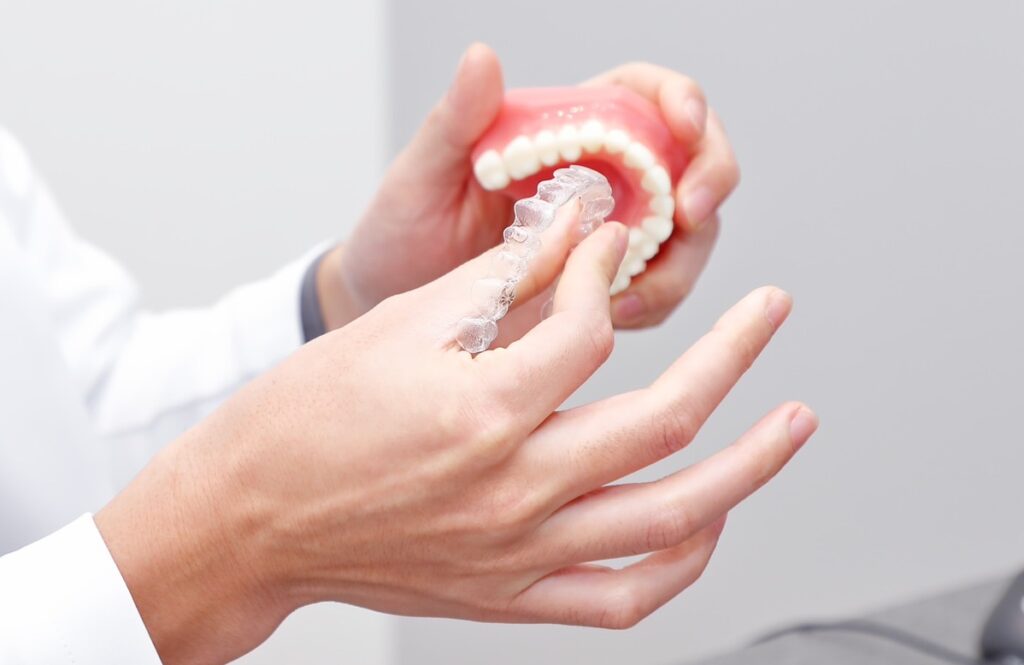
{Childhood habits|Early oral behaviors|Prolonged infantile patterns} such as {thumb sucking|pacifier use beyond age three|tongue thrusting|nail biting|lip sucking} can {exert continuous pressure|apply chronic force|create persistent stress} on the {teeth and jaw|dental arches|oral structures}, {gradually shifting them|slowly misaligning them|causing progressive displacement} over months or years. These habits, if {continued past early childhood|not discontinued by age four|not addressed early}, can permanently alter tooth position.
{Missing teeth|Premature loss of primary teeth|Early extraction of baby molars} can also {contribute to the problem|exacerbate the condition|trigger misalignment}. When a tooth is {lost or removed|missing from the arch|extracted too soon}, adjacent teeth may {drift into the gap|shift sideways|move into the vacant space}, {disrupting the alignment|throwing off the balance|altering the bite dynamics} of the front teeth. {Ill-fitting dental restorations|Poorly made crowns or bridges|Unaddressed cavities|Untreated decay} can {cause uneven pressure|induce tooth movement|lead to structural imbalance}, further contributing to protrusion. In some cases, the core issue is a {Class II malocclusion|skeletal discrepancy|jaw misalignment}, meaning the {upper jaw is too far forward|the mandible is underdeveloped|the lower jaw is recessed}, creating a fundamental {structural imbalance|dental discrepancy|occlusal mismatch}.
The {good news|positive aspect|encouraging reality} is that {multiple effective solutions|various proven treatments|a range of corrective options} exist. {Orthodontic treatment|Braces and aligners|Dental alignment therapy} remains the {most widely used approach|primary solution|standard of care}. {Traditional metal braces|Ceramic clear braces|Lingual braces} apply {consistent, controlled pressure|gradual directional force|steady biomechanical force} to {reposition teeth|align the arch|correct protrusion}. {Clear aligners like Invisalign|Transparent removable trays|Custom-fit orthodontic devices} offer a {discreet alternative|cosmetically invisible option|convenient solution} preferred by {adults|teens|professionals} who seek {a less noticeable treatment|a removable device|a lifestyle-friendly option}. When the issue is {primarily skeletal|rooted in jaw structure|due to bone asymmetry}, {orthognathic surgery|jaw repositioning surgery|maxillofacial correction} may be {recommended in tandem|combined with braces|paired with orthodontics} to {realign the jaws|restore proper facial balance|achieve functional harmony}.
{Early intervention|Timely diagnosis|Pediatric orthodontic screening} is {crucial|vital|essential}, especially for {children|young patients|growing individuals}. {Dentists and orthodontists|Pediatric specialists|Ortho professionals} typically recommend an {initial evaluation by age seven|first ortho check-up before age eight|assessment during mixed dentition phase} to {identify developing issues|detect problems early|intervene before they worsen}. {Interceptive treatments|Preventive orthodontics|Growth-modifying appliances} such as {palatal expanders|partial braces|functional appliances} can {guide jaw development|stimulate proper growth|create space naturally}, 表参道 歯列矯正 reducing the likelihood of {extractions|complex surgery|prolonged treatment} later in life. While {adult treatment|corrective care for grown-ups|orthodontics in later years} may take {longer to complete|additional time|more months}, it remains {highly effective|predictable|successful} in achieving {optimal results|a straight smile|proper occlusion}.
{Maintaining oral hygiene|Practicing diligent care|Following hygiene protocols} during treatment is {non-negotiable|essential|critical}. {Thorough brushing|Proper tooth cleaning|Using an electric toothbrush}, {daily flossing|interdental cleaning|water flossing}, and {regular dental visits|professional cleanings|biannual check-ups} help prevent {tooth decay|cavities|plaque buildup} and {gum disease|periodontal inflammation|gingivitis}. {After treatment|Once alignment is achieved|Following brace removal}, {wearing a retainer as prescribed|using retainers consistently|following retainer instructions} is {vital|imperative|non-optional} to {prevent relapse|stop teeth from shifting|maintain long-term results}.
{If you or your child|Should you notice|In cases where} protruding upper teeth are {present|visible|detectable}, {schedule a consultation|seek an evaluation|consult a specialist} with a {qualified orthodontist|board-certified specialist|experienced dental alignment expert}. They will {analyze the specific cause|perform a comprehensive assessment|diagnose the underlying issue} and {design a personalized treatment plan|create a tailored strategy|recommend the ideal approach}. {Taking action early|Starting treatment promptly|Acting in childhood} not only {enhances your smile|boosts confidence|improves aesthetics} but also {prevents long-term complications|avoids future problems|reduces risk of damage} such as {excessive tooth wear|enamel erosion|jaw joint pain|chronic TMJ discomfort|difficulty chewing|speech impediments}. With {the right care|modern orthodontics|expert intervention}, {nearly all cases|the vast majority of instances|almost every scenario} of protruding upper teeth can be {successfully corrected|fully resolved|permanently improved}.
Orthodontic treatment duration differs from patient to patient, but most people wear braces or clear aligners for 12 to 36 months. The exact timeline depends on several key elements, including the complexity of the orthodontic case, the patient’s age, and their compliance with instructions. Adolescents often experience more rapid movement because their jaws are still developing, making tooth repositioning easier and more efficient. Mature individuals may require a longer timeframe due to non-growing skeletal structures, yet many still attain outstanding outcomes.
Mild alignment issues, such as slight overcrowding or small diastemas, may be corrected in as little as six months. Severe malocclusions, including pronounced overcrowding, excessive upper tooth coverage, reverse bites, or arch imbalance, often require a minimum of two years of active correction.
The type of orthodontic device used also affects treatment speed. Standard bracket systems tend to move teeth more efficiently for substantial repositioning, while removable plastic appliances may need more months depending on daily usage habits. To remain on track, patients must wear aligners 20 to 22 hours daily.
Once active correction ends, patients transition into the stabilization phase. This phase requires wearing a stabilizing device to maintain alignment. Initially, retainers are typically worn day and night for the initial phase, then worn just while sleeping. Neglecting this step risks teeth relapsing, effectively wasting the entire effort.
Regular checkups every 28–56 days are essential to track progress and fine-tune appliances. Maintaining excellent oral hygiene and avoiding hard, sticky, or chewy foods minimizes setbacks. Patients who skip scheduled visits or don’t comply with protocols often prolong their correction period.
Ultimately isn’t simply to achieve a cosmetic fix, but to create a stable, healthy bite. Dedication and 表参道 歯並び矯正 discipline are the most important factors. Your orthodontist will offer a personalized timeline based on your specific condition, and strictly adhering to their advice is the most reliable path to timely completion.

10. The Brittle Trade-Off and the Security of Lifetime Warranties
While the extraordinary hardness of tungsten carbide is its greatest asset, this same property creates its single most notable drawback: a characteristic known as "brittleness." Hardness and brittleness are often two sides of the same metallurgical coin; unlike malleable metals such as gold, which will bend, dent, and deform under extreme impact, tungsten carbide may chip or crack if subjected to a sudden, excessive force. For example, a heavy steel hammer blow or a hard drop onto a sharp granite corner might compromise the ring's structural integrity, causing it to break, whereas a gold ring would simply flatten or bend. It is a critical distinction that the ring is immensely scratch-resistant and will never bend, but it is not completely shatterproof. However, this is largely a theoretical concern for most wearers, as a ring must be struck with an improbable and substantial amount of force to break. Jewelers have largely mitigated this concern and leveraged the material's durability by universally offering comprehensive lifetime warranties. These warranties are a cornerstone of the tungsten market and typically cover any scenario where the ring breaks, chips, or even experiences irreparable damage to the finish (such as black plating wear). This industry standard of backing the product with a guarantee of replacement reinforces the low-maintenance appeal of the material. Ultimately, the lifetime warranty turns the brittle trade-off into a non-issue for the consumer, assuring them that for the entirety of their marriage, the physical symbol of their commitment will always be whole, scratch-free, and perpetually brilliant.
Google Search Suggestions
10. The Brittle Trade-Off and the Security of Lifetime Warranties
While the extraordinary hardness of tungsten carbide is its greatest asset, this same property creates its single most notable drawback: a characteristic known as "brittleness." Hardness and brittleness are often two sides of the same metallurgical coin; unlike malleable metals such as gold, which will bend, dent, and deform under extreme impact, tungsten carbide may chip or crack if subjected to a sudden, excessive force. For example, a heavy steel hammer blow or a hard drop onto a sharp granite corner might compromise the ring's structural integrity, causing it to break, whereas a gold ring would simply flatten or bend. It is a critical distinction that the ring is immensely scratch-resistant and will never bend, but it is not completely shatterproof. However, this is largely a theoretical concern for most wearers, as a ring must be struck with an improbable and substantial amount of force to break. Jewelers have largely mitigated this concern and leveraged the material's durability by universally offering comprehensive lifetime warranties. These warranties are a cornerstone of the tungsten market and typically cover any scenario where the ring breaks, chips, or even experiences irreparable damage to the finish (such as black plating wear). This industry standard of backing the product with a guarantee of replacement reinforces the low-maintenance appeal of the material. Ultimately, the lifetime warranty turns the brittle trade-off into a non-issue for the consumer, assuring them that for the entirety of their marriage, the physical symbol of their commitment will always be whole, scratch-free, and perpetually brilliant.
Google Search Suggestions

Choosing the right braces often starts with weighing metal against ceramic options, as both correct alignment but offer distinct advantages.
For decades, metal braces have served as the most reliable choice, using strong steel components to move teeth with precision and efficiency.
Metal braces are known for their durability and speed—often achieving results faster than other options due to their powerful, unyielding structure.
They typically cost significantly less than other types of braces, offering excellent value without compromising treatment quality.
Instead of shiny metal, ceramic braces use translucent or enamel-matching brackets that blend naturally with your teeth.
Because the brackets are designed to match your natural tooth shade, ceramic braces provide a subtle, discreet look that many find more socially acceptable.
However, ceramic brackets are more brittle than their metal counterparts and can chip, crack, or fracture if subjected to excessive force or hard foods.
Some orthodontists note that ceramic systems can slow down tooth movement slightly, leading to longer overall treatment periods.
Although the ties are replaced at every visit, temporary staining can be frustrating for those aiming for a consistently discreet appearance.
Comfort levels vary per individual, but many find the polished surface of ceramic brackets reduces mouth sores and irritation.
The metallic gleam and prominent brackets may draw attention, especially in bright lighting or during close interactions.
Insurance plans frequently cover metal braces fully but may only partially cover—or 表参道 歯科矯正 fully exclude—ceramic options due to their aesthetic nature.
It’s essential to discuss costs with your provider before committing to avoid unexpected financial burdens.
Ultimately, selecting between metal and ceramic braces depends on your personal priorities: budget, appearance, lifestyle, and treatment timeline.

If you prioritize durability, faster results, and lower cost, metal braces offer unmatched practicality and reliability.
Your orthodontist’s expertise, combined with your personal preferences, will guide you toward the optimal choice for a confident, healthy smile.
Many people avoid orthodontic treatment because they believe outdated myths about braces and 表参道 歯科矯正 aligners. These misconceptions can lead to unnecessary delays in getting the smile and oral health benefits that orthodontics can provide. Let’s clear up some of the most common myths.
One myth is that orthodontic treatment is only for teenagers — while it’s true that many people get braces during their teenage years, more adults than ever are seeking alignment treatment. Today’s treatments such as invisible aligners and tooth-colored brackets offer subtle aesthetics, making them ideal for working adults and mature individuals. There’s no upper age limit if your oral health is sound.
Another misconception is that braces are extremely painful. You might feel slight tenderness after appliance changes, it is usually mild and temporary. Simple pain meds and easy-to-chew meals make adjustment periods tolerable. The vast majority return to normal routines within days.
Some believe that orthodontic treatment takes years and years. Intricate bite corrections often demand extended care, many patients complete their treatment in 12 to 18 months. Modern materials and digital planning have dramatically reduced overall treatment duration. A custom estimate will be provided after a thorough evaluation.
There is also a myth that you can’t eat your favorite foods with braces. Certain foods like caramel, nuts, and hard candy can damage appliances, most foods are still perfectly fine. With a little adjustment, you can enjoy your diet while keeping your braces safe. You’ll receive a detailed guide on what to eat and avoid.
Another false belief is that once braces come off, your job is done. Your retainer is just as important as the braces themselves. Your teeth naturally drift over time. They stabilize your alignment and prevent relapse. Skipping retainer use can lead to relapse, which may require further treatment.
Some people think that orthodontic treatment is purely cosmetic. A well-aligned bite enhances your appearance and self-esteem, it enhances how your teeth work together. Alignment makes oral hygiene more effective and sustainable. They also help with chewing, speaking, and can even reduce jaw pain and headaches caused by misalignment.
Lastly, many assume that all orthodontic care is expensive. Fees are influenced by the type of appliance and local market rates, many orthodontists offer flexible payment plans. Insurance often covers part of the cost. Investing in alignment pays off in reduced dental costs and better overall wellness.
Orthodontic treatment is less invasive, more convenient, and widely available today. Let facts guide your decision, not outdated rumors. Connect with a professional to discover the best solution for your goals.

Correcting a deep overbite involves restoring the occlusal balance between the maxillary and mandibular incisors, where the upper front teeth intrude over the lower front teeth during occlusion. This dental anomaly can lead to excessive attrition, gingival trauma, temporomandibular joint discomfort, and alterations in facial profile over time. The main goal of intervention is to restore optimal dental alignment that boosts oral functionality, increases patient comfort, and elevates aesthetic appeal.
A frequently employed strategy is dental alignment treatment using ceramic brackets or transparent removable trays. These devices gradually reposition the dentition to reduce vertical overlap. In cases of anteriorly angled upper teeth, they can be moved posteriorly and verticalized using precision archwire sequences. Conversely, the lower incisors may require vertical repositioning to increase vertical dimension, often achieved with mini-implants that offer precise control without compromising adjacent dentition.
In growing individuals, functional appliances demonstrate significant therapeutic value. Examples include the FR-III appliance encourage mandibular advancement to optimize jaw alignment. These interventions are optimal during the peak of skeletal development when bone remodeling is active.
For adult patients with dento-skeletal Class II malocclusions, non-surgical methods may be inadequate. In such cases, jaw repositioning surgery is often indicated, typically coordinated with comprehensive orthodontic therapy to achieve ideal occlusion after surgical advancement or repositioning.
Treatment outcomes are highly predictable when the correct intervention is selected based on diagnostic evaluation. The majority of patients report reduced dental wear, enhanced chewing ability, reduced TMJ strain, and improved aesthetic symmetry. Periodontal condition often recovers noticeably as mandibular teeth cease to traumatize the gingival margin of maxillary incisors. Treatment duration varies by skeletal involvement, typically ranging from one to two and a half years, 表参道 歯並び矯正 though mixed dentition cases may require extended care.
Post-treatment maintenance is essential. After active therapy, patients must wear fixed or removable retainers to prevent relapse. This specific malocclusion are notoriously likely to revert if compliance is poor. Ongoing monitoring are recommended to ensure durability over decades.
Ultimately, treating a deep bite is a individually tailored requiring precise diagnosis and multidisciplinary coordination. With contemporary techniques and a collaborative partnership, lasting correction are within reach for most individuals.
Keeping up with braces or clear aligners during a hectic routine is entirely possible with a few practical adjustments. Many people assume that braces or clear aligners require a complete overhaul of daily routines, but with some planning and mindful habits, you can stay on track without sacrificing your schedule or comfort.
Establish a consistent hygiene ritual. Brushing and flossing may take a little longer with braces, but setting aside two minutes twice a day can become second nature. Always carry mini oral care essentials on the go for quick cleanups after meals, especially if you're on the go. For those using clear aligners, remember to remove them only when eating or drinking and brush your teeth before putting them back in to avoid trapping food particles and 表参道 歯列矯正 plaque.
Scheduling wisely makes all the difference. Schedule your orthodontic appointments during times that cause the least disruption—weekend slots. Many providers accommodate busy schedules to accommodate working professionals and parents. For ongoing alignment treatments, try to book multiple visits ahead of time so you can plan your calendar in advance and avoid last minute conflicts.
Nutrition plays a crucial role in orthodontic success. Avoid sticky, hard, or chewy foods that can damage appliances. Focus on meals that are gentle on your braces that are easy to prepare and eat. Batch cooking on Sundays can help you stay on track during hectic weekdays. Stock up on orthodontist-friendly treats like cottage cheese, applesauce, and banana slices so you’re not tempted by foods that could interfere with your treatment.
Stay open and honest with your provider. Let them know about your schedule and any concerns you have. Customized plans can reduce visit frequency and speed up progress. For patients with removable devices, many systems offer digital tracking tools that let you monitor progress from your phone, reducing the need for frequent in person visits.
Give yourself grace during the process. There may be days when you feel overwhelmed or forget an appointment. It happens to everyone. What matters is getting back on track quickly. Use phone alerts, sticky notes, or habit trackers, and Acknowledge progress with weekly wins.
Orthodontic treatment doesn’t have to slow you down. With the right mindset and a few smart strategies, you can achieve a healthier, straighter smile without putting your life on hold.
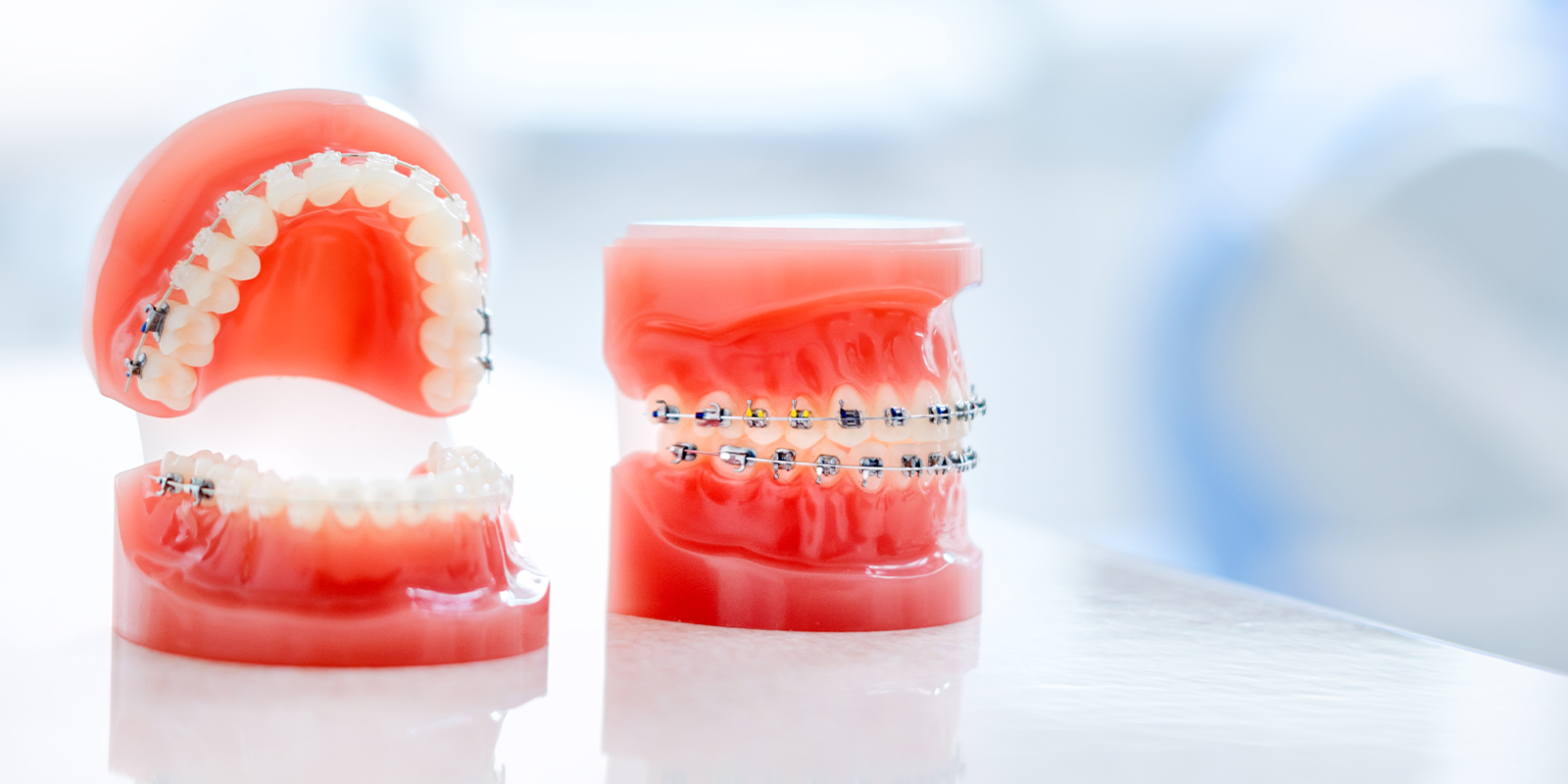
Orthodontic treatment significantly influences not just the alignment of teeth but also how individuals prioritize their daily oral hygiene practices. removable orthodontic device, their mouth is structurally modified that necessitate modifications to dental care routines. Orthodontic hardware such as bands and archwires creates additional nooks and crevices where food particles and plaque can accumulate, making it more likely for bacteria to thrive if not thoroughly removed.
Individuals in active orthodontic care often need to dedicate additional minutes to brushing each day. They must focus intensely in cleaning around each bracket to prevent stains, decay, and gum inflammation. Orthodontic-specific aids including tiny brushes, water jets, and threader floss become essential for successful hygiene. These tools allow effective cleaning of spots that a standard brush fails to clean thoroughly.
Complementing enhanced brushing habits, patients may need to revise food choices. Foods like caramel, nuts, and candy can compromise hardware integrity and elevate caries susceptibility. Steering clear of such items is integral to oral health while in treatment. Regular dental checkups and professional cleanings are also more important than ever, as dental professionals and cleaning specialists monitor for initial erosion, white spot lesions, or gum redness.
It is common for individuals to observe that their oral hygiene becomes more mindful after starting orthodontic treatment. They become more aware to the way particles settle between teeth and hardware and 表参道 歯列矯正 how easily plaque can build up. This heightened awareness often continues even after the braces come off, leading to sustained positive changes in dental routines.
Ultimately, orthodontics does more than straighten teeth — it serves as a catalyst for developing better hygiene routines, teaching patients to be more diligent and systematic with their care. The discipline learned during treatment can lead to healthier gums, fewer cavities, and a more confident smile that lasts long after the appliances are removed.