
Запись блога пользователя «Jeanne Babb»

Crossbite is a common dental issue where some of the upper teeth sit inside the lower teeth when the mouth is at rest. This misalignment can occur in the incisor region, known as an anterior crossbite, or posteriorly, called a back tooth crossbite. Left untreated, crossbite can lead to premature enamel erosion, TMJ dysfunction, difficulty chewing, and facial imbalance. Fortunately, contemporary treatment options offer effective and often non-surgical ways to correct crossbite regardless of patient age.
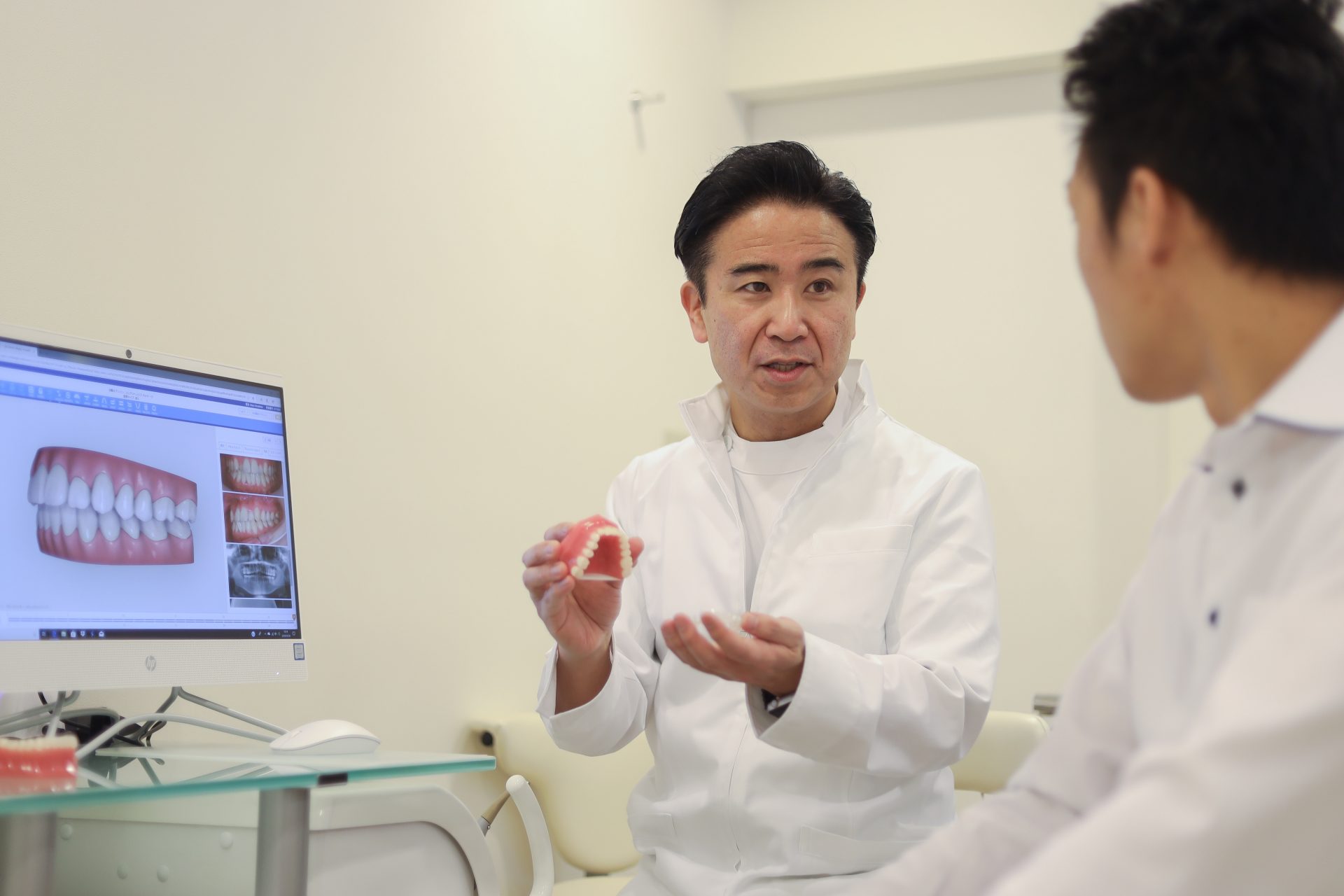
One of the primary treatments for crossbite is the use of orthodontic appliances. standard bracket systems apply steady pressure to align the dental arches. For cases involving a constricted maxilla, orthodontists often pair fixed appliances with a palatal expansion device. A palatal expander is a custom appliance that is bonded to the posterior teeth and slowly increases palatal width. This is particularly successful in growing patients, whose jaws are in active development, but modern expanders can also be used with positive outcomes in older individuals.
Removable transparent trays are another preferred alternative for correcting light to medium severity cases. These discreet, transparent aligners are changed every few weeks and incrementally reposition the dentition. Aligners work well for patients who value aesthetic discretion and are committed to consistent wear. However, they may not be suitable for severe cases or when major skeletal correction is required.
In specific clinical scenarios, 表参道 歯列矯正 especially when the crossbite is due to underlying jaw misalignment rather than just crowding or spacing, orthodontic treatment may be supplemented by maxillofacial intervention. This is most often recommended for complex adult patients, where the osseous structures must be surgically corrected to achieve functional and aesthetic balance. Surgery is sequenced with comprehensive orthodontic treatment to ensure optimal results.
Early intervention is key. Many orthodontists recommend that children have their comprehensive bite assessment before age 8, even if no obvious problems are visible. Detecting a crossbite at a young age allows for easier correction protocols and can avoid long-term complications. Even mature individuals can benefit from correction, as modern orthodontics offers a comprehensive suite of techniques tailored to personal preferences and daily routines.
The most appropriate intervention depends on factors like the extent of dental and skeletal involvement, the patient’s age, and overall oral health. A experienced clinician will evaluate the bite, utilize digital cone-beam CT scans, and select the optimal correction method. With regular monitoring and adjustments, most patients achieve a optimal bite with improved facial harmony.
Correcting a crossbite is not just about appearance—it improves chewing efficiency, reduces pressure on the TMJ, and avoids progressive deterioration to the dental structures. Whether through fixed appliances, palatal expanders, and clear aligners, modern orthodontic interventions make it possible to fix crossbite effectively with minimal disruption.