
Запись блога пользователя «Jeanne Babb»

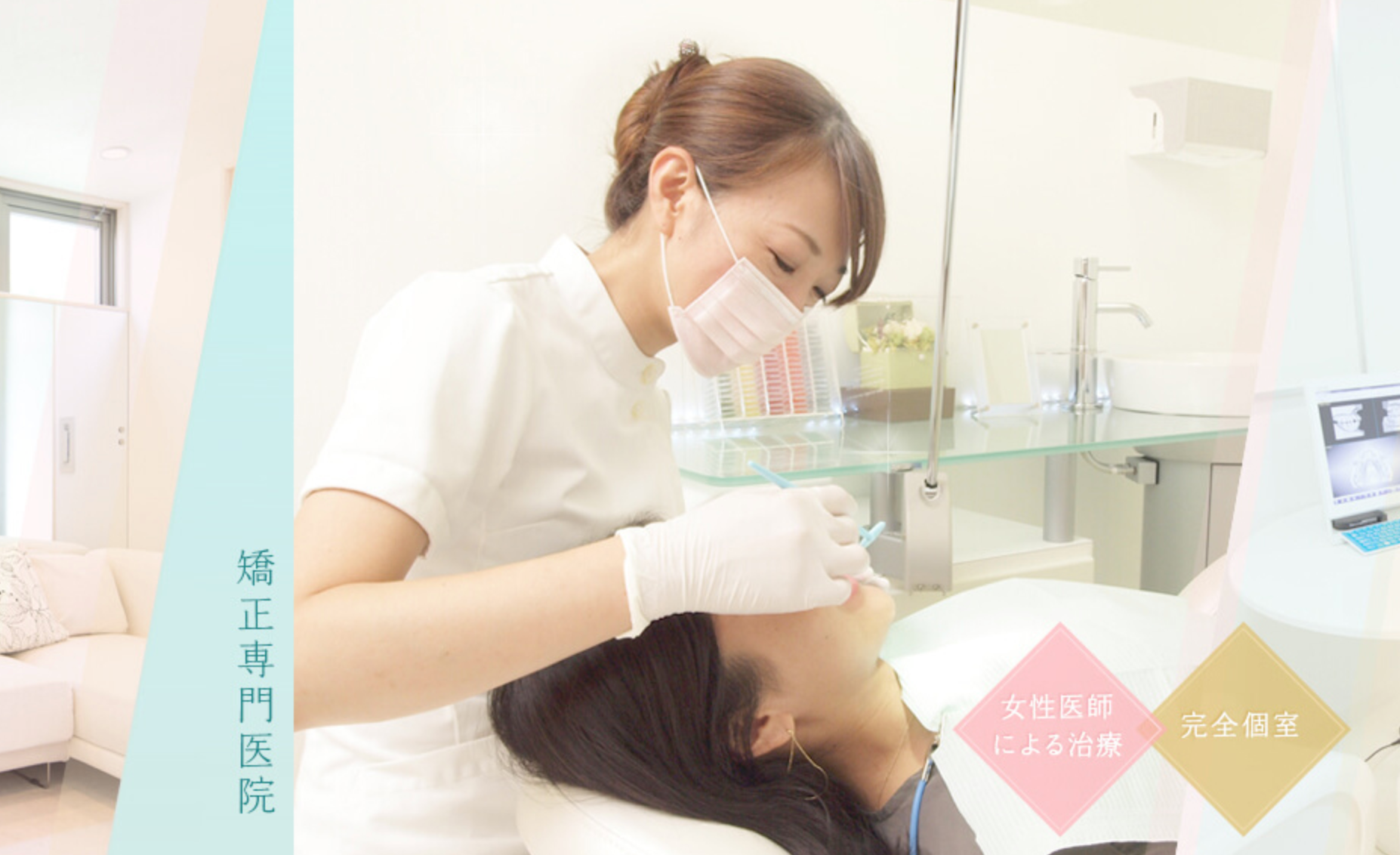
Orthodontic appliances play a essential role in supporting speech development, in growing patients whose jaws and teeth are still developing. When the teeth are crooked or the jaw structure is irregular, it can hinder the way the speech organs work together to form sounds. This can lead to speech issues such as whistling or struggles with enunciating certain fricatives and stops like the .
Orthodontic treatment helps resolve these structural problems, allowing the articulatory system to operate efficiently during speech.
Aligners, palatal expanders, and other instruments progressively adjust teeth and correct the bite to create the proper space and positioning needed for distinct pronunciation. For example, a unilateral or bilateral crossbite where the the upper arch is narrower can constrain tongue movement, making it impossible to articulate specific phonemes. By restoring proper jaw relationship, the oral muscle can move naturally against the palate and dentition, improving clarity.
Similarly, an open bite where the incisors fail to make contact can cause uncontrolled airflow during speech, resulting in a audible air flow. Resolving the open bite with orthodontic treatment allows the tongue to make proper contact with the dentition and hard palate.
In some cases, orthodontic instruments like Hawley expanders are used to widen the upper jaw, which not only facilitates respiration and occlusion but also promotes ideal positioning for the speech organs to operate efficiently. This is particularly important in pediatric patients, as early intervention can avoid persistent articulation disorders.
Treatment providers often work alongside language pathologists to ensure that as the dental alignment improves, the patient is also reinforcing proper phonation to solidify improvements.
Even in older patients, appliance-based therapy can boost clarity by correcting chronic malocclusions that were overlooked. While phonetic routines are habitual, the enhanced jaw relationship still improves vocal output. Patients often report increased confidence in communicating after treatment, not just as a result of better pronunciation but also because they feel more comfortable with their smile.
In summary, orthodontic appliances don’t just improve aesthetics—they help build the structural framework for 表参道 歯列矯正 articulate language. By optimizing oral anatomy early and appropriately, dental alignment therapy supports the healthy progression of communication proficiency, helping individuals communicate more clearly and confidently throughout their adult years.